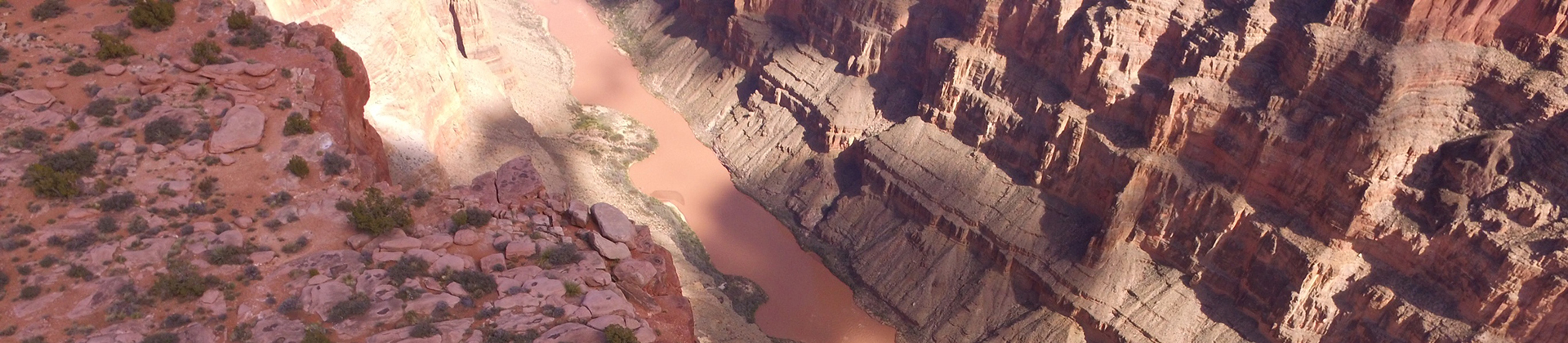






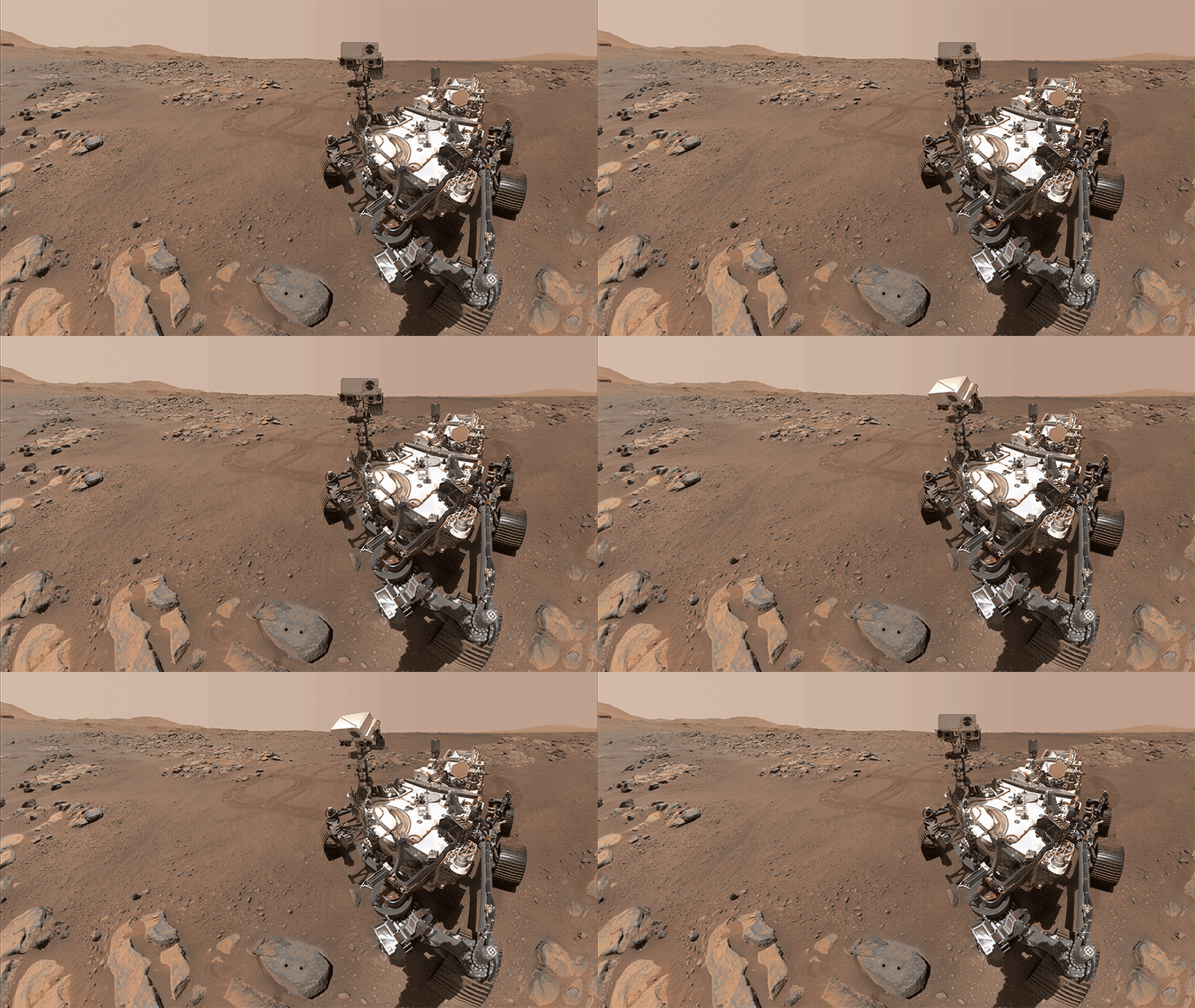

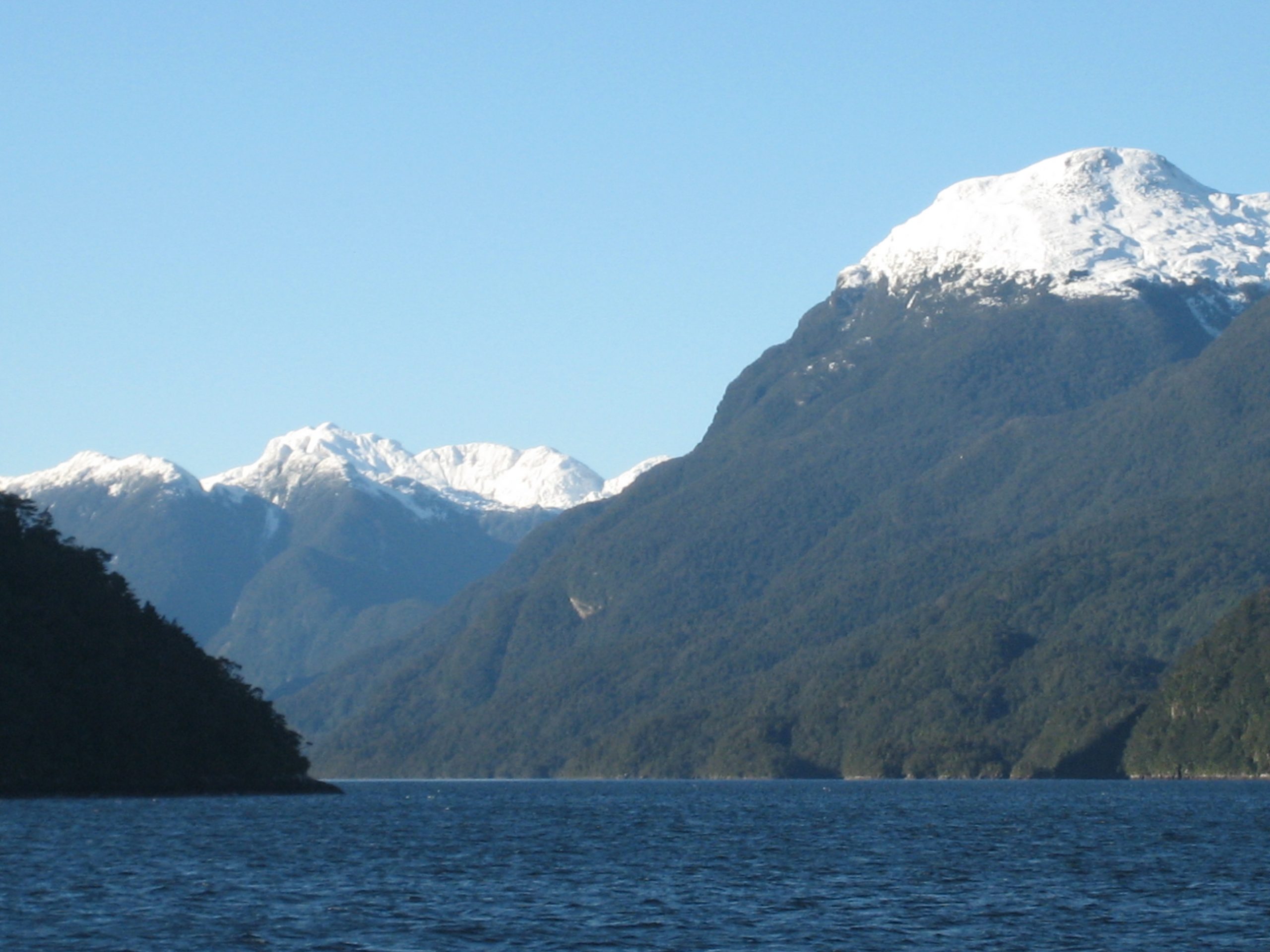



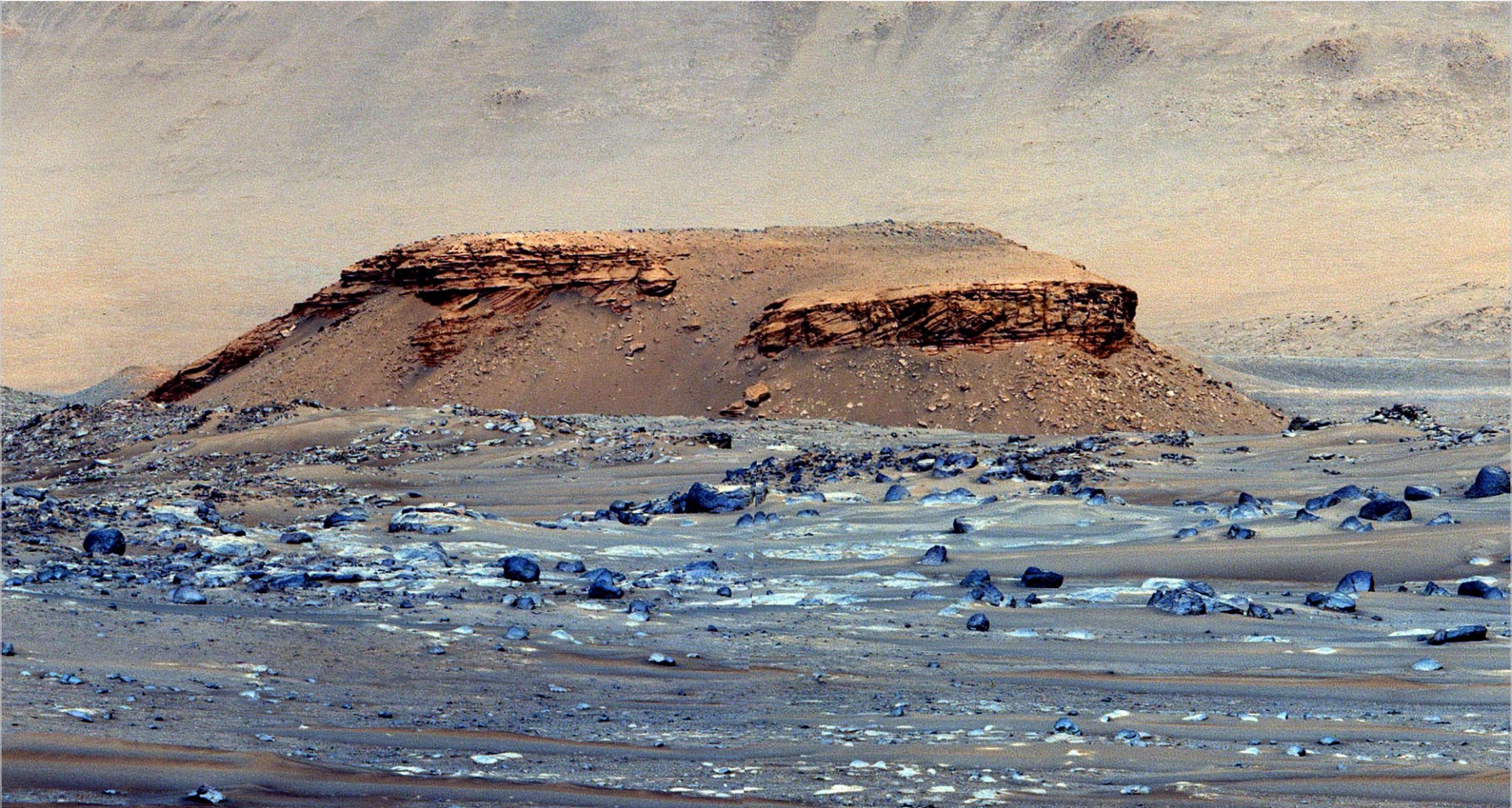
The hydrosphere includes all water on Earth. In one respect, planet Earth is a misnomer in that 71% of the earth is covered by water and only 29% is terra firma. Indeed, the abundance of water on Earth is a unique feature that clearly distinguishes our "Blue Planet" from others in the solar system. Not a drop of liquid water can be found anywhere else in the solar system. It is because the Earth has just the right mass, the right chemical composition, the right atmosphere, and is the right distance from the Sun (the "Goldilocks" principle) that permits water to exist mainly as a liquid. However, the range of surface temperatures and pressures of our planet permit water to exist in all three states: solid (ice), liquid (water), and gas (water vapor). Most of the water is contained in the oceans and the high heat capacity of this large volume of water (1.35 million cubic kilometers) buffers the Earth surface from large temperature changes such as those observed on the moon. Water is the universal solvent and the basis of all life on our Planet. It is an essential life-sustaining resource which led Benjamin Franklin to comment "When the well's dry, we know the worth of water." Links to other components: Water cycles between the various components of the Earth system via the hydrologic cycle. Atmosphere: Water is transferred between the hydrosphere and biosphere by evaporation and precipitation. Energy is also exchanged in this process. Biosphere: Terrestrial plants withdraw water from the ground using their root systems and transport water and nutrients through the vascular system to stems and leaves. Evaporation of water from the leaf surface (called transpiration) is effective at transferring water to the atmosphere. Geosphere: Water is the primary agent for the chemical and mechanical breakdown of rock, called weathering, to form loose rock fragments (regolith) and soil. By the process of erosion, water sculpts the surface of the Earth as precipitation that falls on the land makes it way by to the sea. The geomorphology of the Earth is unique because of running water. Runoff channels on Mars suggest that it had free-flowing water early in its history when climate was warmer. Anthrosphere: Human activity has significantly impacted the supply and quality of water on Earth through our agricultural and industrial practices. Chemical contamination of groundwater, lakes, rivers, and the oceans is threatening the quality of the water supply in many parts of the world.